
Essential Documents for Car Insurance: What You Need to Apply and Claim
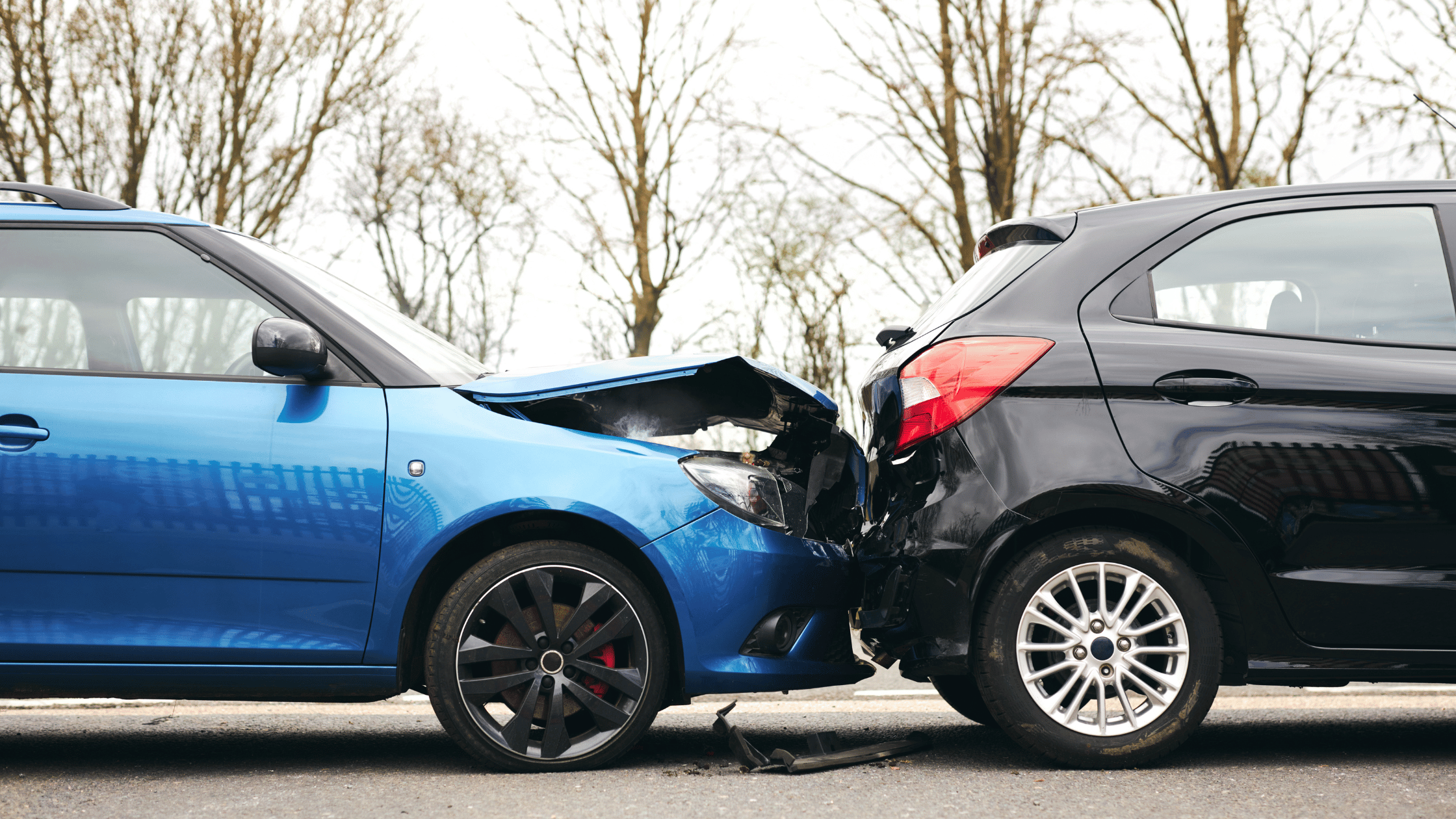
Introduction
Car insurance is one of the most important protections you can have as a vehicle owner. Whether you’re safeguarding against accidents, theft, or third-party liability, having the right insurance plan provides peace of mind and financial security. But getting coverage—and filing a claim when the time comes—relies heavily on documentation.
Without the proper paperwork, you might face delays, denials, or even fines. This article will walk you through the essential documents needed to apply for car insurance and what you’ll need when submitting a claim. Think of it as your complete checklist for stress-free insurance management.
📝 Documents Required When Applying for Car Insurance
Applying for car insurance—whether it’s for a new policy or renewing an existing one—requires key documents to confirm your identity, vehicle details, and legal compliance. Here’s what most insurance providers ask for:
1. Vehicle Registration Document (RC Book or Logbook)
This document proves that you are the registered owner of the vehicle. Insurers need to verify:
- Vehicle make and model
- Registration number
- Year of manufacture
- Chassis and engine number
Ensure the information is accurate, as discrepancies could affect your coverage or future claim validity.
2. Valid Driving License
Only a licensed driver can legally operate a vehicle—and insurers must confirm that you’re authorized to drive. You’ll need to provide:
- A clear copy of the front and back of your license
- License validity dates
- Type/class of vehicle the license allows you to drive
If someone else (like a family member or employee) will also be driving the car, their license may also be required for full coverage.
3. Proof of Identity and Address
Insurers need to confirm your identity and where the vehicle is usually parked. Commonly accepted documents include:
- National ID card or passport (for identity)
- Utility bill, lease agreement, or bank statement (for address)
This is especially important when applying for a new policy, transferring ownership, or updating records.
4. Previous Insurance Policy (If Applicable)
If you’re renewing or switching providers, you may need to provide your:
- Previous policy copy (to retain No-Claim Bonus, if eligible)
- No-Claim Bonus (NCB) certificate if switching insurers
- Lapsed policy notice if renewing after the expiry date
Carrying over a no-claim bonus could result in lower premiums, so keep these records safe.
5. Vehicle Inspection Report (For Used or Expired Policies)
If your car insurance policy has lapsed or you’re insuring a used vehicle, insurers may require a physical inspection. Some may do this digitally using photos or via a third-party agency. You’ll typically need:
- Inspection report with photos
- Notes on vehicle condition, dents, or modifications
6. Passport-Sized Photograph
Some insurers may request a photo for their internal records—especially when policies are issued offline.
📄 Checklist: Additional Documents You May Need
Depending on your situation or insurance provider, you may also need:
| Scenario | Additional Documents Required |
|---|---|
| Car purchased through a loan | Loan agreement / Hypothecation certificate |
| Commercial vehicle | Commercial driving license, business registration |
| Vehicle registration under company | Company PAN card, authorization letter |
| Imported vehicle | Customs clearance certificate |
| Vehicle modifications | Government approval for structural changes |
Always check with your specific insurer to confirm what’s needed. Having these ready can speed up the approval process.
🚨 Documents Required When Submitting a Car Insurance Claim
Accidents happen—even to the safest drivers. If you ever need to submit a claim, having the correct documentation will help avoid unnecessary delays or disputes. Here’s what you’ll typically need:
1. Copy of the Insurance Policy
This shows that your vehicle was covered at the time of the incident. Most providers will already have this on file, but it helps to keep a digital or physical copy handy.
2. Claim Form
You must fill out the insurer’s official claim form—available online or at the insurance branch. It will include:
- Personal and vehicle details
- Type of claim (accident, theft, fire, natural disaster)
- Description of the incident
- Signature of the policyholder
3. First Information Report (FIR)
For serious accidents, third-party damage, theft, or bodily injury, an FIR from the police is usually required. This is critical for:
- Theft claims
- Third-party damage or injury
- Major accidents involving multiple vehicles
4. Driver’s License and Vehicle Registration Certificate
These verify that:
- The vehicle was legally registered and insured
- The person driving had a valid license at the time of the incident
5. Repair Estimates and Bills
If you’re claiming damages for repairs:
- Get a written repair estimate from a garage
- Submit original repair invoices if you’ve already fixed the damage
- Photos of the damage (before repair) may also be required
Insurers may send their own surveyor to assess the damage before approving the claim.
6. Photos or Video Evidence
Documenting the accident scene with photos or videos helps clarify:
- The extent of the damage
- The position of the vehicles involved
- Road and weather conditions at the time
These visuals can strengthen your claim and resolve disputes.
7. Discharge Voucher
Once your claim is processed, the insurer will issue a discharge voucher—a formal acceptance of the claim settlement. You’ll need to sign and return this to receive payment or approval for repairs.
🔐 Pro Tip: Keep a Digital Folder Ready
Create a digital folder on your phone or cloud storage with:
- Scans of your ID, license, RC, and insurance policy
- Photos of your vehicle (before any incident)
- A pre-filled claim form template
- Contact details of your insurer and nearest police station
This simple habit can save time and reduce stress if an accident occurs.
✅ Quick Claim Submission Checklist
Before filing a claim, make sure you have:
✔️ A copy of your active insurance policy
✔️ Completed claim form
✔️ Police FIR (if required)
✔️ RC and driver’s license
✔️ Photos or video evidence
✔️ Repair estimate or bill
✔️ Hospital bills (for injury claims)
✔️ Discharge voucher (at claim completion)
Conclusion: Be Prepared, Stay Protected
Having car insurance is essential—but it’s only useful when you have the right documents to back it up. From the initial application to a real-life claim, paperwork is the backbone of every step.
Whether you’re a first-time policyholder or a seasoned driver, maintaining an organized file of your car-related documents will ensure you never miss out on your rightful coverage or compensation.
Related Post

Best Trading Brokers in South Africa: An In-Depth 2025 Comparison
Navigating the trading market in South Africa presents both opportunities and challenges due to the [...]