
Best Trading Brokers in South Africa: An In-Depth 2025 Comparison
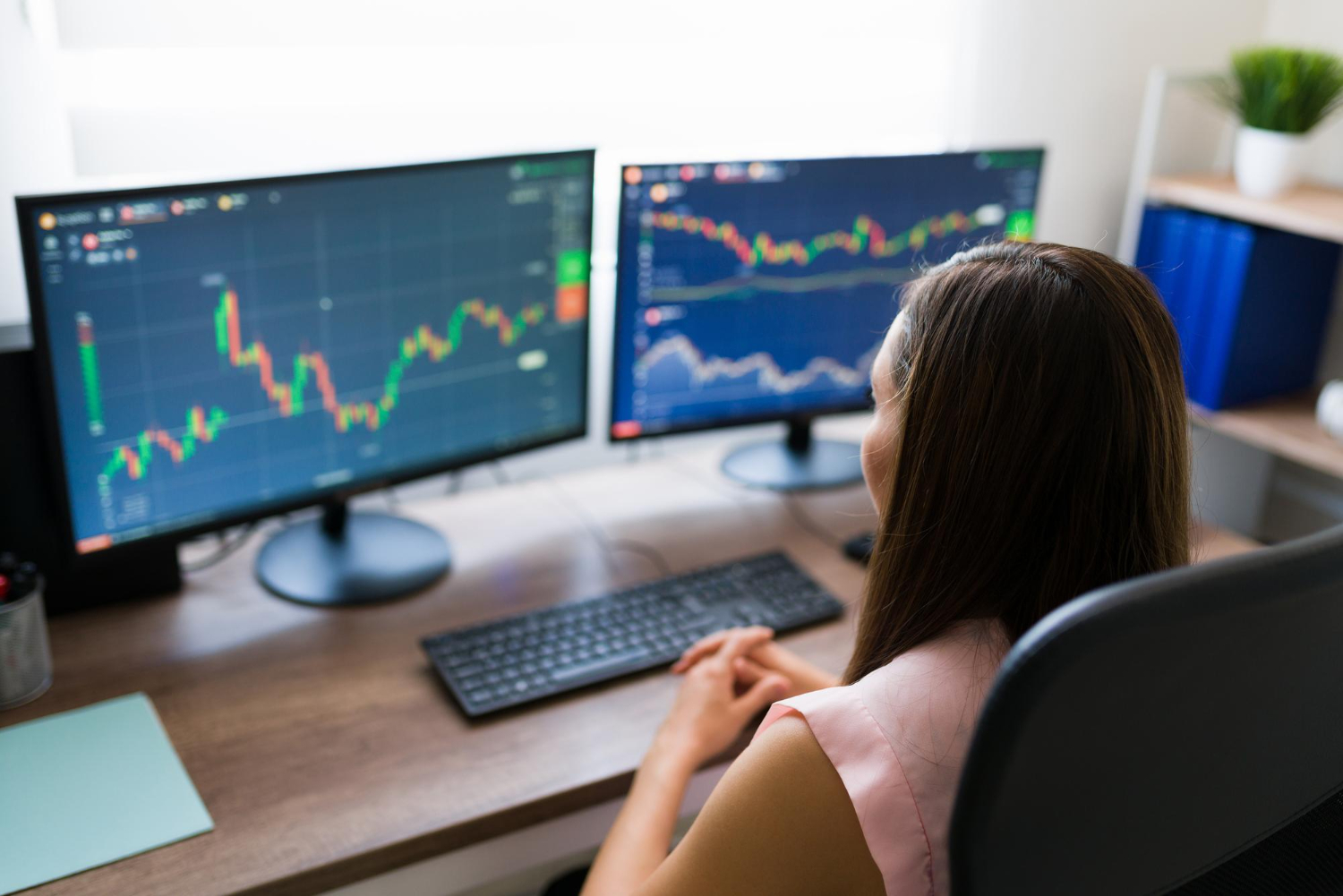
Navigating the trading market in South Africa presents both opportunities and challenges due to the wide array of brokers available to traders. Selecting the appropriate broker is vital for achieving trading success, and various factors must be considered, including regulation and security, as well as the trading platforms and tools they provide. This article examines the critical factors to consider when choosing a broker and offers a comprehensive comparison of the leading trading brokers in South Africa for the year 2025. Whether one is an experienced trader or a novice, these insights will assist in identifying individual trading needs and making an informed decision.
Overview of the Trading Market in South Africa
The trading market in South Africa has experienced significant evolution over the years, marked by the emergence of a diverse range of trading platforms designed to meet various investment needs and preferences. As of 2023, online trading has become increasingly popular among South African investors, primarily due to the rise of reputable trading brokers and investment firms.
This market provides a wide array of instruments, including Forex, stocks, and cryptocurrencies, thereby equipping traders with the essential tools required for success. Furthermore, improvements in regulatory frameworks have enhanced security and user experience, which are critical for both novice and experienced traders in making informed decisions.
Historically, the trading landscape in South Africa has undergone profound transformations, particularly with the advent of digital technology. This shift has expanded access to a broader array of trading platforms that accommodate various risk appetites and investment strategies.
As trading brokers continue to evolve, innovative features such as advanced analytics and customer support tools have become essential in enhancing user experience. Investors are increasingly seeking not only competitive fees but also platforms that prioritize transparency and education regarding various financial instruments, including commodities and indices.
With regulatory authorities tightening regulations, there is a heightened emphasis on ethical trading practices, ensuring that market participants can navigate the trading environment with confidence.
Factors to Consider When Choosing a Broker
When selecting an optimal trading broker, it is imperative to take into account various factors that will influence your overall trading experience and success.
Key considerations include broker reviews, which offer valuable insights into the reputation and performance of different trading firms. Additionally, a thorough understanding of trading fees, encompassing commission rates and spreads, is essential for effective risk management and maximizing investment returns.
It is also crucial to confirm that the broker is regulated, as this adds an important layer of security and trust. Furthermore, one should evaluate the quality of customer support and the availability of trading tools, as these elements can significantly enhance trading strategies.
Regulation and Security
Regulation plays a critical role in the trading market, particularly in South Africa, where stringent oversight ensures that brokers comply with industry standards and provide adequate security measures for their clients.
This oversight is primarily facilitated by key institutions such as the Financial Sector Conduct Authority (FSCA), which enforces compliance with financial laws and monitors market conduct to prevent unfair practices. Additionally, the South African Reserve Bank (SARB) regulates currency and monetary policies, further contributing to the stabilization of the trading environment.
For brokers, the implementation of robust security protocols—including two-factor authentication, encryption techniques, and segregated accounts—is essential for safeguarding traders’ investments. By recognizing the significance of these regulations and security measures, traders can engage in the market with a heightened sense of security and trust, ultimately leading to a more enabled trading experience.
Trading Platforms and Tools
The selection of a trading platform is of utmost importance for traders, as it directly affects their capacity to execute trades efficiently and analyze market trends. Leading trading platforms in South Africa are designed with user-friendly interfaces and provide robust trading tools that facilitate both technical and fundamental analysis.
The platform’s stability, particularly during periods of high market volatility, is essential for ensuring seamless trade execution. Additionally, many brokers now offer mobile trading options, enabling traders to access the markets while on the move, thereby enhancing flexibility and user experience.
These platforms typically incorporate advanced charting tools, real-time data feeds, and customizable dashboards, enabling traders to personalize their trading environment according to their specific preferences. With integrated indicators, traders can conduct comprehensive technical analysis, while economic calendars assist in monitoring significant events that impact the markets.
The availability of demo accounts is also advantageous, as it provides novice traders with the opportunity to practice without risking actual capital. A dependable trading platform not only supports the execution of trading strategies but also cultivates an environment where knowledge-based decision making and timely responses are critical, ultimately contributing to sustained trading success.
Commission and Fees
Understanding commission rates and trading fees is crucial for traders seeking to optimize their investment strategies and maximize their returns. Each broker operates with a unique fee structure, which may encompass spreads, commissions on trades, and fees associated with deposits and withdrawals.
Evaluating both the withdrawal process and deposit methods is equally important, as these elements can significantly influence the overall trading experience. By conducting a comparative analysis of various brokers’ fee structures and assessing how these align with your trading goals, you can make more informed decisions and select a broker that is consistent with your financial objectives.
For example, certain brokers may offer commission rates as low as $0 for stock trades, while others might impose either a flat fee or a percentage-based commission that varies according to the size of the trade. Along with commissions, transaction fees can vary considerably, with some platforms applying a spread markup that affects the purchasing price of an asset.
Comprehending these various facets of trading fees can have a significant impact on trading performance; elevated fees can diminish overall profit margins and limit the number of trades a trader can afford to execute. Therefore, a thorough examination of fee schedules and their potential implications is essential for anyone committed to enhancing their trading effectiveness.
Top Trading Brokers in South Africa
Identifying the leading trading brokers in South Africa necessitates a comprehensive broker comparison that assesses their reputation, services, and available trading accounts.
The strengths and weaknesses of each broker may differ, making it imperative to evaluate the types of accounts offered, including demo accounts, live accounts, and the specific trading instruments accessible through each platform.
Furthermore, factors such as broker awards and accolades can serve as valuable indicators of quality and reliability, assisting traders in making informed decisions that align with their investment strategies.
In-Depth Comparison of Features and Services
An in-depth comparison of the features and services provided by various trading brokers enables traders to determine which broker best aligns with their individual needs and trading strategies.
When evaluating different brokers, it is essential to assess the specific trading platforms offered, as these can significantly impact the efficiency of trade execution and access to market data.
Understanding the range of trading conditions—including factors such as spreads, commissions, leverage options, and margin requirements—is crucial for optimizing profitability and effectively managing risk.
Additionally, the quality of customer support, including response times and the availability of educational resources, can significantly enhance a trader’s overall experience.
By reviewing client feedback and testimonials, individuals can gain valuable insights into the reliability and transparency of broker operations, thereby facilitating knowledge-based decision making throughout their trading journey.
Tips for Choosing the Best Broker for You
Selecting the most suitable broker that aligns with your specific trading strategies and objectives is a crucial step toward achieving successful trading performance.
To make an informed decision, it is important to first identify your trading requirements, which encompass understanding your risk tolerance and investment goals.
Evaluate brokers based on the account types they provide, along with their tools for account management and risk management.
This approach will ensure that you choose a broker who not only facilitates your trading activities but also contributes positively to your overall trading experience.
Identifying Your Trading Needs and Goals
Identifying trading needs and goals serves as the foundation for developing effective trading strategies that align with financial aspirations. This process entails a thorough understanding of one’s risk appetite, time commitment, and the specific instruments intended for trading, be they stocks, Forex, or cryptocurrencies.
Establishing a clear investment strategy enables the selection of the appropriate trading account, whether it be a demo account for practice purposes or a live account for actual trading. Awareness of trading psychology is essential for navigating market fluctuations and making rational trading decisions.
By assessing one’s risk profile, traders can more accurately determine their capacity to handle market volatility, which is critical for achieving long-term success. Various account types, such as standard, mini, or managed accounts, cater to different trading styles and investment sizes, making it imperative to align these accounts with individual objectives.
Evaluating these factors not only mitigates risks but also enhances the likelihood of achieving desired outcomes. Furthermore, integrating the principles of diversification and continuous learning into a trading plan can strengthen resilience against unforeseen market changes, thereby ensuring that each trader remains well-positioned to adapt to evolving financial landscapes.
Researching and Evaluating Brokers
Effective research and evaluation of brokers are essential steps for any trader aiming to select a reliable trading partner. It is advisable to begin by comparing various brokers, with particular attention to their reputation within the industry, which can often be assessed through customer reviews and testimonials.
Brokers that have received trading awards may be indicative of a commitment to quality service and trader satisfaction. By conducting thorough research, traders can make informed decisions that enhance their trading experience.
It is important to interpret customer reviews critically, looking beyond mere star ratings to understand the specific strengths and weaknesses emphasized by other traders. Consulting multiple sources for diverse perspectives can contribute to a more nuanced understanding of a broker’s performance.
Additionally, the significance of trading awards should not be overlooked, as they are typically awarded based on rigorous evaluations of service quality, trading conditions, and customer support.
These awards can serve as a valuable benchmark, guiding traders toward brokers that have demonstrated excellence in their offerings. Ultimately, a comprehensive approach to broker evaluation can lead to more secure and profitable trading experiences.
Related Post

Getting the Most from MetaTrader 5 in India
Unlock hidden profits in India’s dynamic markets with MetaTrader 5-the powerhouse platform trusted by SEBI-regulated [...]